- By Paul
- In Custom Homes Blog
Designing a Custom Home That’s Built for Efficiency and Comfort
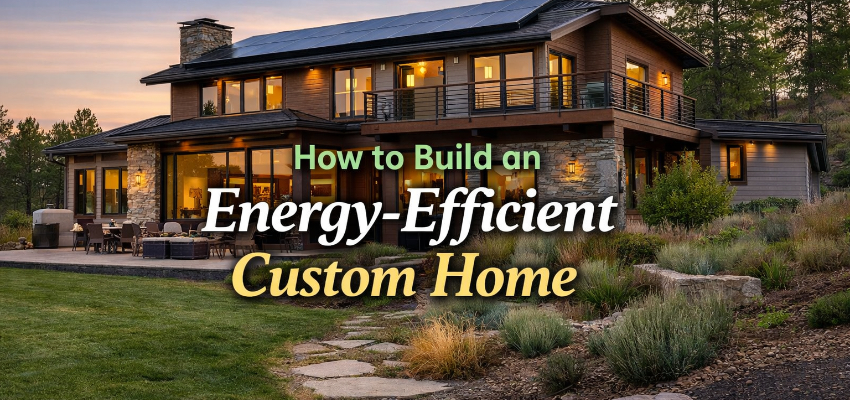
Custom homes are a great way for the owner to express themselves and their tastes and to create living spaces that fit their lifestyle like a glove. But there are other considerations that go beyond aesthetics, including the home’s potential environmental impact and its energy efficiency. An energy-efficient home will not only help you keep your energy costs down but also go a long way toward meeting the environmental goals you set for the house. In this post, the team at Bluebird Custom Homes examines how to build an energy-efficient custom home.
Table of Contents
- The Step-by-Step Process of Building an Energy-Efficient Custom Home
- Step 1: It All Starts With The Design
- Step 2: The Envelope
- Step 3: Embrace Renewable Energy Sources
- Step 4: Install Energy-Efficient Lights and Appliances
- Step 5: Minimize Water Consumption
- Step 6: Make Sure Your Building Materials Are Eco-Friendly
- Summary
- Contact Bluebird
- Energy-Efficient Home FAQs
The Step-by-Step Process of Building an Energy-Efficient Custom Home
If you have your heart and mind set on building a custom home in Breckenridge, CO, and you want it to be a beacon of energy efficiency, this is how the process typically unfolds:
Step 1: It All Starts With The Design
- Home orientation: Orienting the home to maximize sunlight will reduce the need for artificial heating during Colorado’s long winter. South-facing windows and skylights optimize solar gain, while an overhanging roof can help prevent overheating in the summer.
- Open floor plans: An open floor plan with skylights that open can create a bright, airy interior with generous air movement that reduces the need to run the air conditioner all the time in the summer.
- Keep it simple: A simple, compact home design will reduce energy consumption needs and prevent waste caused by trying to heat and cool unusually shaped rooms.
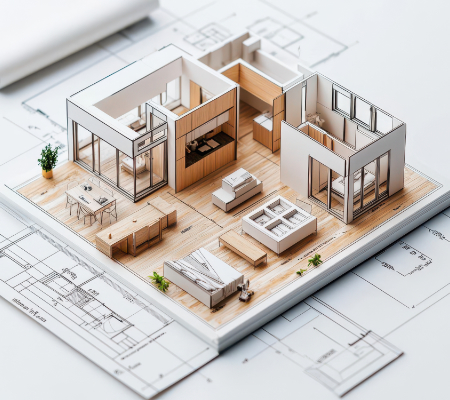
Energy performance is won or lost on paper first: orientation, massing, and glazing choices made during design often have more impact than any single product you install later.
Step 2: The Envelope
Installing State-Of-The-Art Insulation
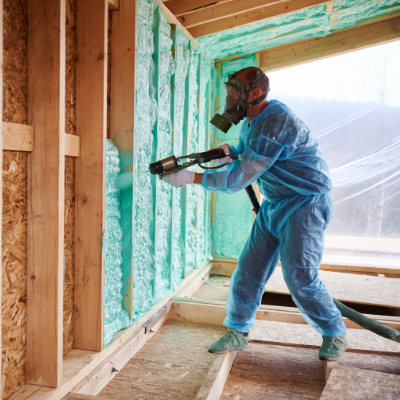
Spray foam and structural insulated panels are two types of exterior wall insulation known to produce outstanding thermal performance. But whatever type of insulation you choose for exterior walls, interior walls, floors, and ceilings, it must have a high R-value that withstands the climate. And don’t make the mistake that so many homeowners do: overlooking the importance of proper insulation in the attic, basement, and garage.
Creating A Tight Seal All Around
During construction, it is vital that every gap, crack, and joint in the entire home is sealed up tight against the elements using caulk, foam, or weatherstripping. The space around exterior doors should also be minimized to prevent direct air from entering or leaving the home.
Installing Energy-Efficient Windows and Doors
Every window – including roof windows – needs to have double or triple-pane glass in order to prevent heat transfer outward during the winter and inward during the summer. Windows should have thermal breaks that prevent heat loss, and door frames should also be insulated.
| Envelope Component | Energy-Efficiency Focus | Typical Upgrade |
|---|---|---|
| Walls & Roof | High R-value, reduced thermal bridging | Spray foam or structural insulated panels (SIPs) |
| Windows | Limit heat loss/gain, control solar gain | Double or triple-pane, low-e coatings, insulated frames |
| Doors | Airtightness and insulation | Insulated exterior doors with quality seals |
| Air Sealing | Reduce drafts and heat loss | Continuous air barrier, caulk, foam, weatherstripping |
Step 3: Embrace Renewable Energy Sources
After taking all the above steps, the last thing you want to do is just plug your new custom home into the existing energy grid and call it a day. Building a true energy-efficient home means embracing renewable energy sources, such as:
Solar Panels
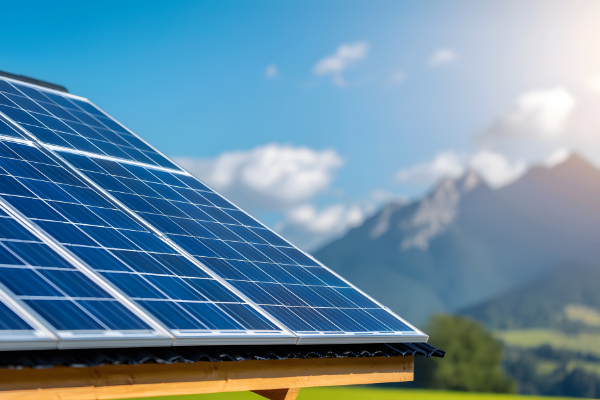
Because you oriented your home to maximize natural light, your roof will be an ideal platform for solar panels. Also, consider installing a battery storage system as part of your solar generation system. This will store solar energy for use after the sun goes down.
Geothermal Energy
More and more energy-conscious homeowners in Colorado are embracing geothermal energy as a way to reduce their dependence on the grid.
Solar Water Heating
A solar thermal water heating system can significantly reduce your water heating costs.
Step 4: Install Energy-Efficient Lights and Appliances
Everything that will draw energy needs to be energy-efficient. That means foregoing standard lights for LED lights that use a tiny fraction of the energy other lights use. Installing dimmers and integrating your lights with your smart home system will also help you minimize energy use.
In addition, always choose Energy Star-rated appliances for the kitchen, laundry, and entertainment systems.
Step 5: Minimize Water Consumption
Whether standard homes or log homes, energy-efficient homes should effectively address the issue of water use, including the energy needed to heat water. Here are a few ways you can do that:
- Install a heat pump water heater that will provide heated water on demand.
- Low-flow faucets are a must from the bathroom, along with low-flow toilets and showerheads.
- Set up a system during the design phase to collect and reuse rainwater.
- Minimize the need for irrigation in your landscaping.
Step 6: Make Sure Your Building Materials Are Eco-Friendly
Building materials have a deceptively large impact on how much energy a home uses. So always aim to use eco-friendly materials such as:
- Recycled wood, glass, and steel.
- Forest Stewardship Council-certified sustainable wood products.
- Paints, adhesives, and sealants that emit low levels of VOCs (volatile organic compounds).
- Roofing materials that reduce heat absorption by reflecting sunlight.
Planning an Energy-Efficient Custom or Log Home in Breckenridge?
Discuss envelope details, renewables, and materials with a builder who specializes in green construction.
Call Bluebird Custom Homes
And Finally…
In addition, your energy-efficient home should leverage smart home technology to monitor and adjust energy usage. A stable temperature inside the home can also be encouraged through the use of automated window blinds that respond to sunlight rather than owner input. And make sure you work with a builder who has experience with green building practices, like Bluebird Custom Homes.
Summary
The energy-efficient home is no longer the stuff of science fiction. We have the materials and technology today to create homes that use only a small fraction of what equivalent homes used 50 years ago. All that’s missing is the will to employ these materials and technologies.
By following the above steps, you will be well on your way to building a home that not only expresses your tastes and lifestyle but also harmonizes with the world around it. The most important thing is to approach every stage of the design and construction process with energy use in mind.
Contact Bluebird
If you are in search of a company with copious experience in green construction, it’s time to get in touch with the team at Bluebird by calling (719) 838-0728 or emailing <paul@bluebirdcustomhomes.com>. We’re the premier custom home builder and log home builder in Breckenridge.
Energy-Efficient Home FAQs
An energy-efficient custom home combines a smart design (orientation, compact shape, window placement), a tight, well-insulated envelope, high-performance windows and doors, efficient HVAC and water heating, LED lighting, Energy Star appliances, and often renewable energy systems like solar or geothermal. Together, these features significantly reduce the amount of energy needed for heating, cooling, hot water, and everyday living.
Upfront costs are typically higher because of upgraded insulation, better windows and doors, and more efficient mechanical systems. However, these features can lower monthly utility bills enough that the long-term cost of ownership is often lower than for a standard home. Many owners also find that energy-efficient homes are more comfortable and resilient, which adds non-monetary value over time.
In a mountain climate like Breckenridge, orientation is extremely important. South-facing glass can capture passive solar heat in winter, reducing heating loads, while properly sized overhangs and shading help prevent overheating in summer. Good orientation also supports solar panel performance, making renewable energy systems more cost-effective.
For new construction, it usually makes sense to focus on the building envelope first: insulation, air sealing, and high-performance windows and doors. Reducing the home’s energy demand allows you to install a smaller HVAC system and smaller solar array, which can save money. Once the envelope is efficient, adding solar or geothermal power can take you closer to net-zero energy usage.
Yes, but it requires careful detailing. Modern log and hybrid log homes can achieve strong energy performance when they include proper air sealing between logs, insulated roof and floor assemblies, high-performance windows and doors, and thoughtfully designed mechanical systems. Working with a builder experienced in energy-efficient log construction is especially important.
Smart thermostats, automated blinds, occupancy sensors, and app-controlled lighting can fine-tune how and when your home uses energy. For example, the system can reduce heating or cooling when you’re away, adjust blinds based on sun exposure, and dim or turn off lights automatically. These small, continuous optimizations can add up to meaningful annual savings and a more comfortable indoor environment.
The earlier, the better. Bringing an experienced green builder into the project during site selection and conceptual design allows them to influence orientation, massing, envelope details, and mechanical strategies from the beginning. Those early decisions have a bigger impact on efficiency than most finish-level choices you make later in the build.